Operator manual · General
Bestes Content Management System: 10 Picks for 2026
In short
The bestes content management system for every site type, ranked by publishing needs, features, usability and real cost. One clear call, no hype.
DBotMaker research desk · Updated November 16, 2026 · 15 min read
The most widely used CMS is rarely the right one for a store, a paid newsletter or a custom application. In October 2025, WordPress powered 43.3% of all websites surveyed, according to W3Techs figures reported by Search Engine Journal. Market share still doesn't settle which system fits a given project.
The DBotMaker research desk's call is WordPress.org for publishing, Shopify for commerce, Webflow for design-led sites, Wix for small businesses and Sanity for developer-supported headless builds. Ghost is the narrower publishing alternative when newsletters and memberships matter more than general-purpose flexibility. Drupal earns its place when content permissions and governance outweigh setup simplicity.
For teams comparing the bestes content management system, the deciding question is which system matches the site's main job. A matched system ships faster and costs less to run. A mismatched one shifts the gap onto developers, editors or the business owner: a commerce-first site forced into a general CMS pays in plugins and workarounds, while a publishing team on a headless platform pays in developer time before the first article goes live.
DBotMaker's scoring method weights capabilities at 40%, ease of setup at 30% and value at 30%, with the same weights applied to every product. Rankings rest on documented features and published prices rather than hands-on testing. Product links identify the sellers, and the cost assessments distinguish subscriptions, hosting, extensions, implementation and ongoing maintenance.
Table of Contents
- 1. WordPress.org
- 2. Ghost
- 3. Shopify
- 4. Webflow
- 5. Wix
- 6. Squarespace
- 7. Drupal
- 8. Sanity
- 9. Strapi
- 10. Contentful
- The 10 content management systems compared
- How to Make Your Call and What It Will Really Cost
1. WordPress.org
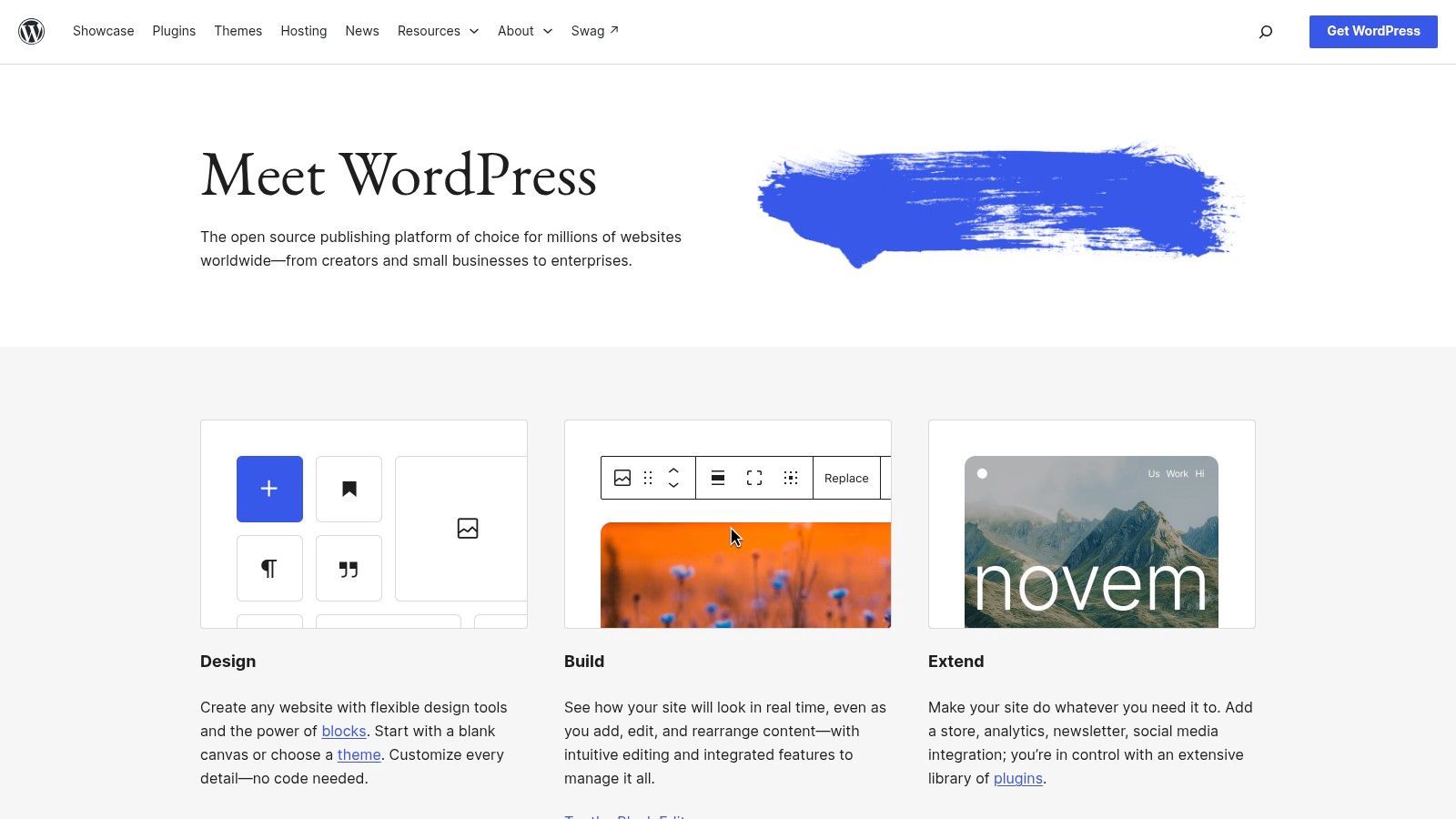
WordPress.org is the publishing pick when flexibility and ownership matter more than having everything managed in one subscription. WordPress.org provides an open-source CMS for publications, blogs and business websites, with themes controlling presentation and plugins extending functionality.
Its main advantage is architectural choice. A team can operate a conventional website, add business features through plugins or use WordPress as the content source for a custom frontend without immediately replacing the editorial system.
The trade-off is operational responsibility
The software doesn't carry a self-hosted license fee, but the website still needs hosting, backups, security maintenance and compatibility checks. A managed provider can handle much of that work, although responsibility for selecting and governing extensions remains.
- Best fit: Publications and business websites that expect their content requirements to change.
- Main limitation: Third-party themes and plugins can introduce overlapping features, inconsistent interfaces and upgrade conflicts.
- Cost exposure: Hosting, premium extensions, implementation, maintenance and troubleshooting.
The practical selection test is a complete editorial task: draft an article, assign approval, preview it on mobile and update it after publication. The team should also confirm that content exports preserve useful structure rather than merely copying rendered pages.
For conversational support, DBotMaker's comparison of chatbots for WordPress helps narrow the integration shortlist. A chatbot should be evaluated alongside the plugin stack, not treated as an isolated addition.
2. Ghost
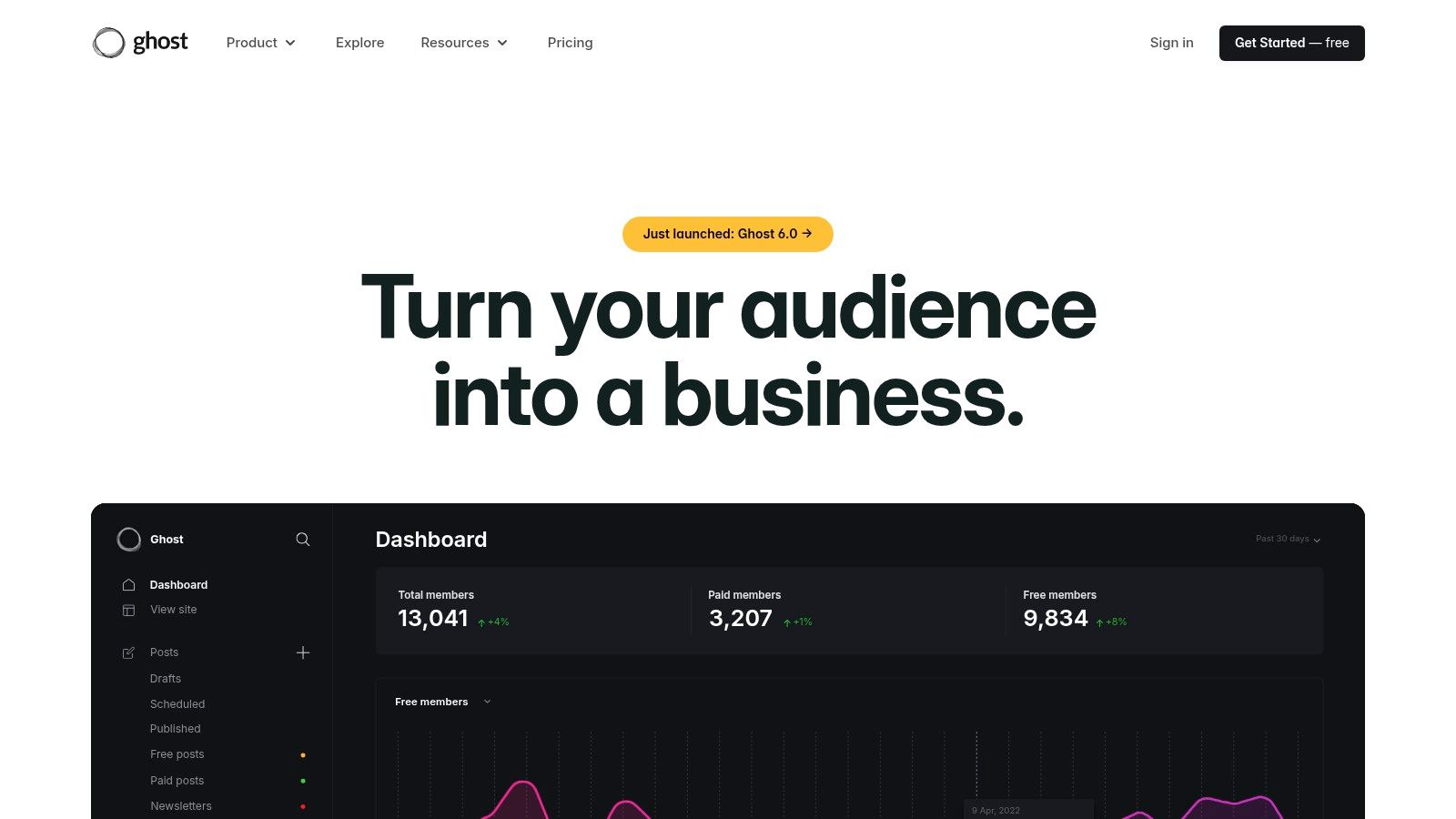
An independent analyst publishing free articles beside subscriber briefings has a different center of gravity than a company building a large catalog or account portal. For that publication, Ghost is the cleaner call because website publishing, email newsletters and membership tools sit in one product instead of being assembled from separate extensions.
The appeal is concentration, not breadth. The recurring work is writing an article, turning it into an email, controlling subscriber access and keeping the publication moving. A general-purpose CMS can cover those jobs, but often by layering newsletter, membership, marketing, commerce and community plugins that were never designed around the same editorial routine.
That focus sets the boundary. A business that needs a complex service directory, a custom account area or extensive product structures should check whether Ghost would push too much work into supporting systems.
Choose Ghost when the recurring workflow is writing, sending and managing members, not building an expanding collection of business applications.
Managed publishing or self-hosting
Ghost(Pro) supplies the managed route, while self-hosting gives a technical team more operational responsibility. Neither path removes the need to plan themes, integrations, email delivery and migration.
The cost comparison should follow the publication's actual shape. Team access, membership requirements and audience growth can move a managed plan into a different tier. Self-hosting replaces some of that subscription logic with infrastructure and maintenance work.
The evaluation should mirror one full publishing cycle: create a newsletter and a website article from the same content, inspect subscriber access and rehearse an export. Ghost earns its place when those tasks become simpler without narrowing the business model.
It is not the default winner for every publisher. WordPress remains the broader choice when content must coexist with varied website functionality.
3. Shopify

A merchant choosing a CMS is really choosing how the store runs day to day. Shopify is the commerce pick because the store, not the article editor, should determine the platform. Shopify combines storefront content with products, checkout, payments and order management in one system.
That consolidation matters operationally. Staff can update inventory, resolve an order and maintain product information without reconstructing the workflow across loosely connected plugins.
The subscription doesn't make every store requirement native. Specialized merchandising, subscriptions, customer support and integrations may add apps, extra configuration or higher-tier requirements, so the headline price understates what a real store costs to run.
- Core advantage: Website content and commerce operations share a platform.
- Important limitation: Publishing-heavy sites may find the commerce-first model less adaptable.
- Real cost categories: Subscription, payment processing, apps, themes, implementation and ongoing store changes.
Judge the checkout workflow, not just the storefront
A useful pilot includes a product variant, a discount, a shipping rule, a refund and a content update. Attractive product pages say little about whether staff can operate the business efficiently.
Merchants should also separate payment-processing charges from platform fees and app subscriptions. Those are different expenses, and a low headline subscription doesn't describe the full operating cost. The same scrutiny applies to support tooling: when customer questions involve products, delivery and order status, a chatbot connected to a Shopify store should respect customer permissions and hand off clearly to staff.
Shopify is the strongest fit when selling is central. A publication with occasional merchandise shouldn't reorganize its entire content operation around a store.
4. Webflow
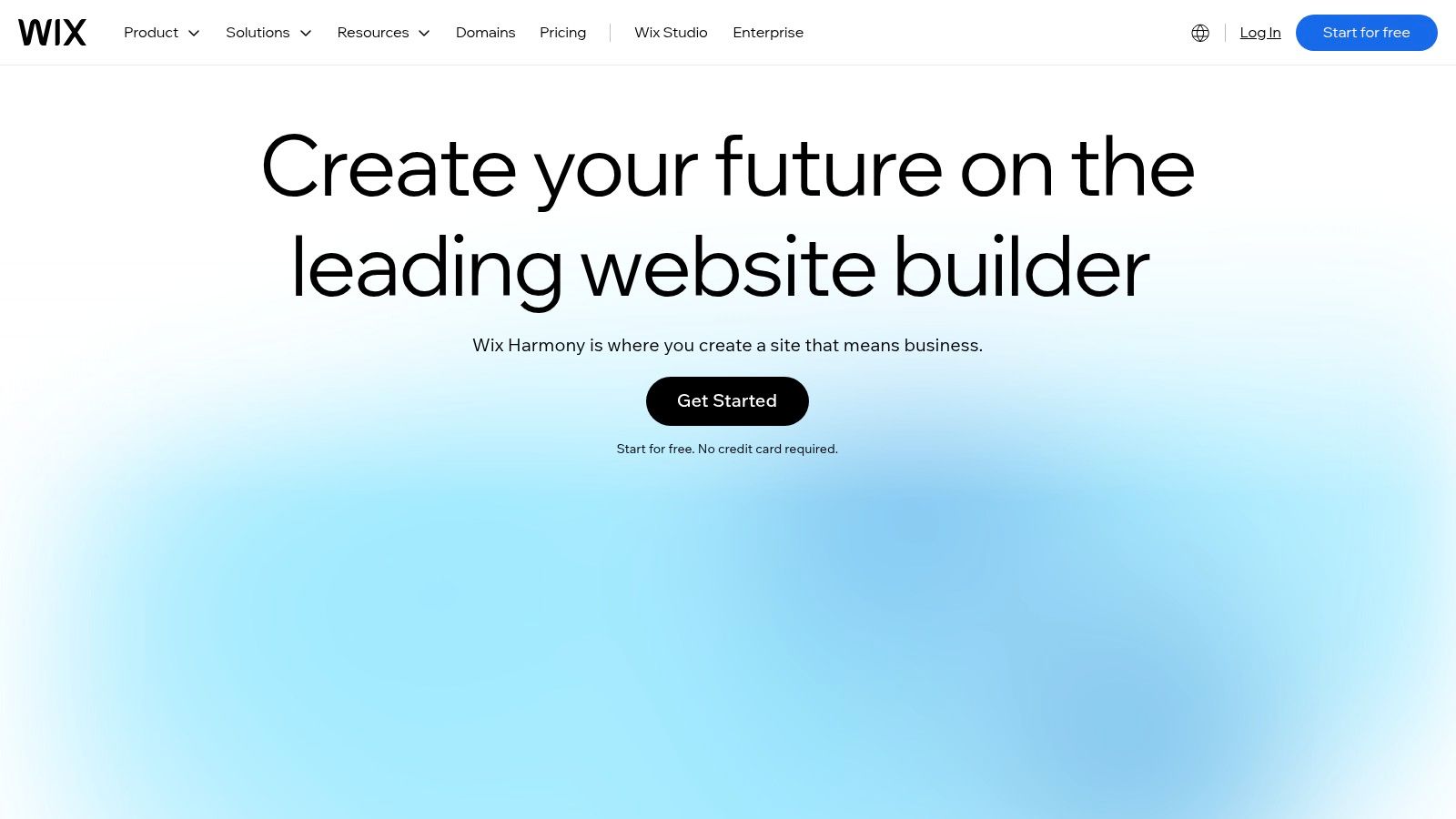
A marketing team that needs a case-study library, a team directory and a resource hub with consistent layouts will hit the limits of a template-led builder quickly. Webflow is the pick for design-led sites built on repeatable structured content. Webflow pairs a visual design environment with CMS collections, so designers define a layout once and editors reuse it for every new entry.
That division of labor is the advantage. Designers control presentation while editors populate established structures, which suits agencies and in-house teams producing visually distinctive pages at volume. The learning curve deserves attention: visual control over layout doesn't remove the need to understand responsive behavior, content relationships and accessible page structure.
Design freedom needs publishing boundaries
A case-study collection should store the client name, service category, outcome and supporting media as separate fields. Keeping the whole page as loosely formatted text sacrifices most of the value of structured content and turns design-wide changes into manual work.
- Best fit: Marketing teams and agencies producing visually distinctive, content-driven websites.
- Main compromise: The team works inside a hosted platform rather than choosing every infrastructure component.
- Cost exposure: Site publishing, CMS capacity, collaboration requirements and specialist design work.
A free starting option supports exploration, but custom-domain publishing and larger CMS requirements introduce paid-plan decisions. Webflow's current plan limits should be matched to the intended site, not the demonstration build.
Webflow shouldn't be selected solely because a designer can reproduce a mockup. The stronger test is whether an editor can add a longer headline, an unexpected image ratio and a new collection entry without breaking the layout.
5. Wix
A small business often needs a service page, enquiry form and booking path more urgently than a custom content architecture. Wix is the small-business pick when consolidating those needs matters more than infrastructure control.
Wix combines a visual editor, templates, hosting and business features, with additional functionality available through its app ecosystem. Its free option permits exploration, while a custom-domain experience and expanded capabilities require paid-plan decisions.
The main benefit is fewer separate operational choices. A business owner doesn't have to select a hosting company before building the website, although someone must still own content accuracy, permissions and customer-data handling.
A bundled website service reduces infrastructure work. It doesn't remove the business owner's responsibility for the finished customer journey.
The booking path is the real evaluation
A service business should test what happens after someone submits a form or books an appointment. Confirmation messages, staff notifications, calendar behavior and cancellation handling matter more than how quickly the homepage was generated.
Costs depend on the required business functions, along with location and billing terms. Payments, scheduling and ecommerce requirements should be checked against the relevant plan instead of inferred from the editor demonstration.
Wix is less compelling when developers need fine-grained deployment control or a separately maintained frontend. For a straightforward business website, however, that loss of technical freedom can be an acceptable exchange for simpler setup and administration.
6. Squarespace
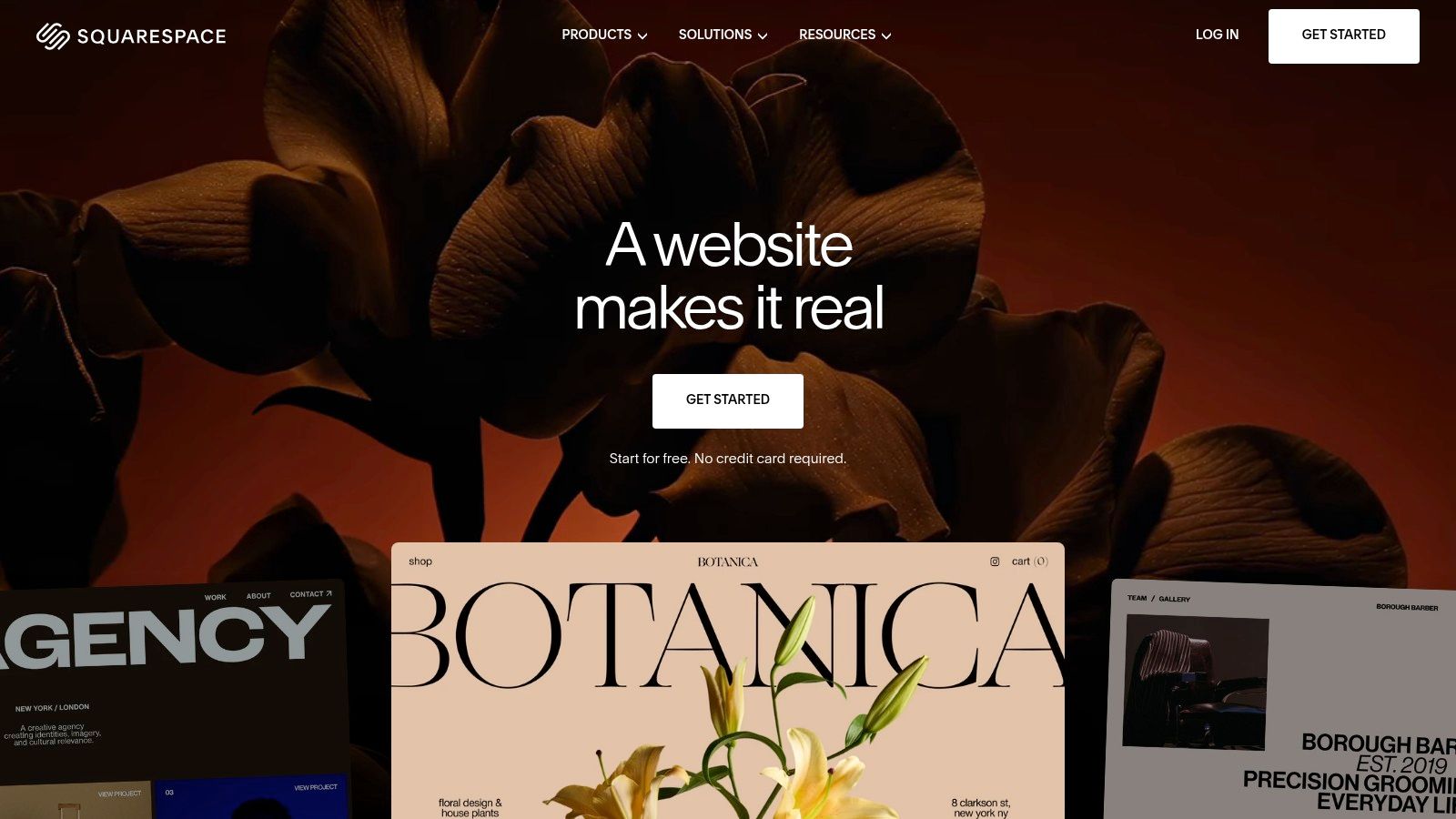
Squarespace is the alternative for portfolios and visually led service businesses that prefer a template-led approach. Squarespace bundles managed hosting, visual editing and tools for presenting or selling products and services.
Its appeal is a relatively contained set of choices. A photographer, consultant or studio can prioritize image presentation, service descriptions and enquiry paths rather than assemble a custom technical stack.
That same containment is the limitation. A project requiring a bespoke backend, independent hosting or a separately developed frontend may outgrow the platform's intended model.
- Strong fit: Portfolios, creative practices and service websites with conventional content requirements.
- Less suitable: Applications, complex content relationships and infrastructure-specific deployments.
- Cost considerations: Subscription, domain renewal, selling features, payment-related charges and any connected services.
Templates don't replace content decisions
The evaluation should use actual content rather than sample photography and short placeholder headlines. A template that looks balanced with demonstration assets may need substantial adjustment for a business's real portfolio.
Accessibility deserves equal attention. In the 2025 survey of 1,570 respondents discussed in Applause's digital accessibility report, 83.9% considered digital accessibility a top priority or important to their company, but only 54.3% were confident their website met current WCAG standards.
Those findings aren't a Squarespace rating. They demonstrate why a polished template shouldn't substitute for checking keyboard navigation, headings, form labels and image alternatives on the finished website.
7. Drupal
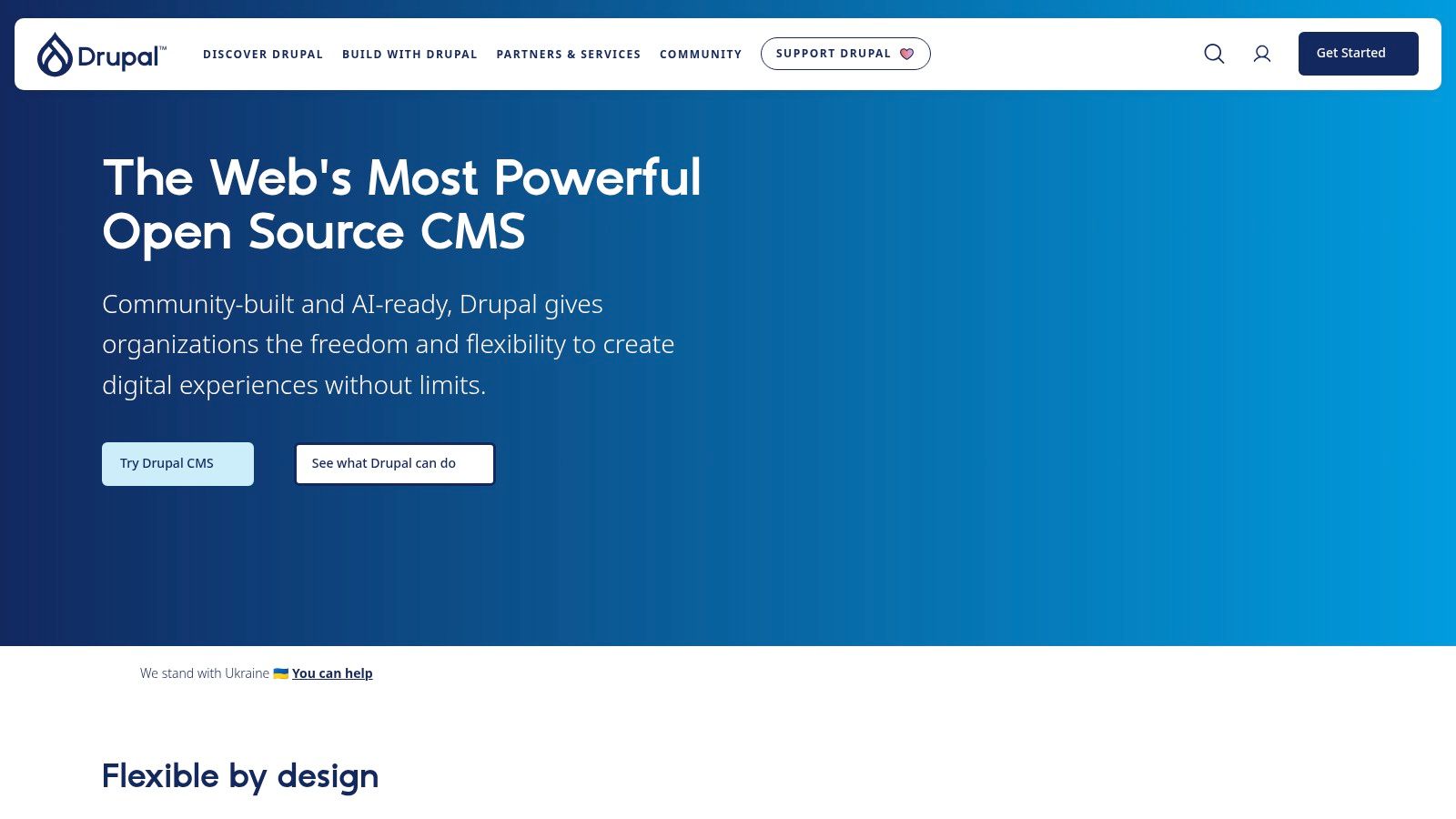
Drupal is the specialist choice for complex content models and demanding publishing governance. Drupal supports structured content, multilingual publishing, permissions and API-based delivery through an open-source platform.
Its strongest justification isn't that a website is large. It's that the organization needs explicit relationships between content, controlled editing responsibilities and workflows that simpler builders would require staff to manage manually.
A university-style site illustrates the distinction: departments, courses, staff profiles and translated information may need shared structures while retaining different approval responsibilities. Drupal warrants consideration when that governance is central to the project.
Budget for the operating team
Drupal requires a credible implementation and maintenance plan. Hosting, deployment, module selection, security updates and editorial training belong in the budget before design work begins.
- Main advantage: Adaptable content structures and permissions for demanding organizational requirements.
- Main limitation: Experienced technical support may be necessary throughout the website's life.
- Selection threshold: The content and governance requirements should justify the implementation complexity.
Privacy requirements also belong in CMS procurement. The European Commission's GDPR enforcement guidance, updated in 2026, describes potential fines of up to €20 million or 4% of total annual worldwide turnover, whichever is higher under the applicable rule.
That statutory maximum isn't a typical penalty, and Drupal doesn't confer compliance automatically. Teams must evaluate forms, analytics, retention, access controls and deletion processes across the complete implementation.
8. Sanity
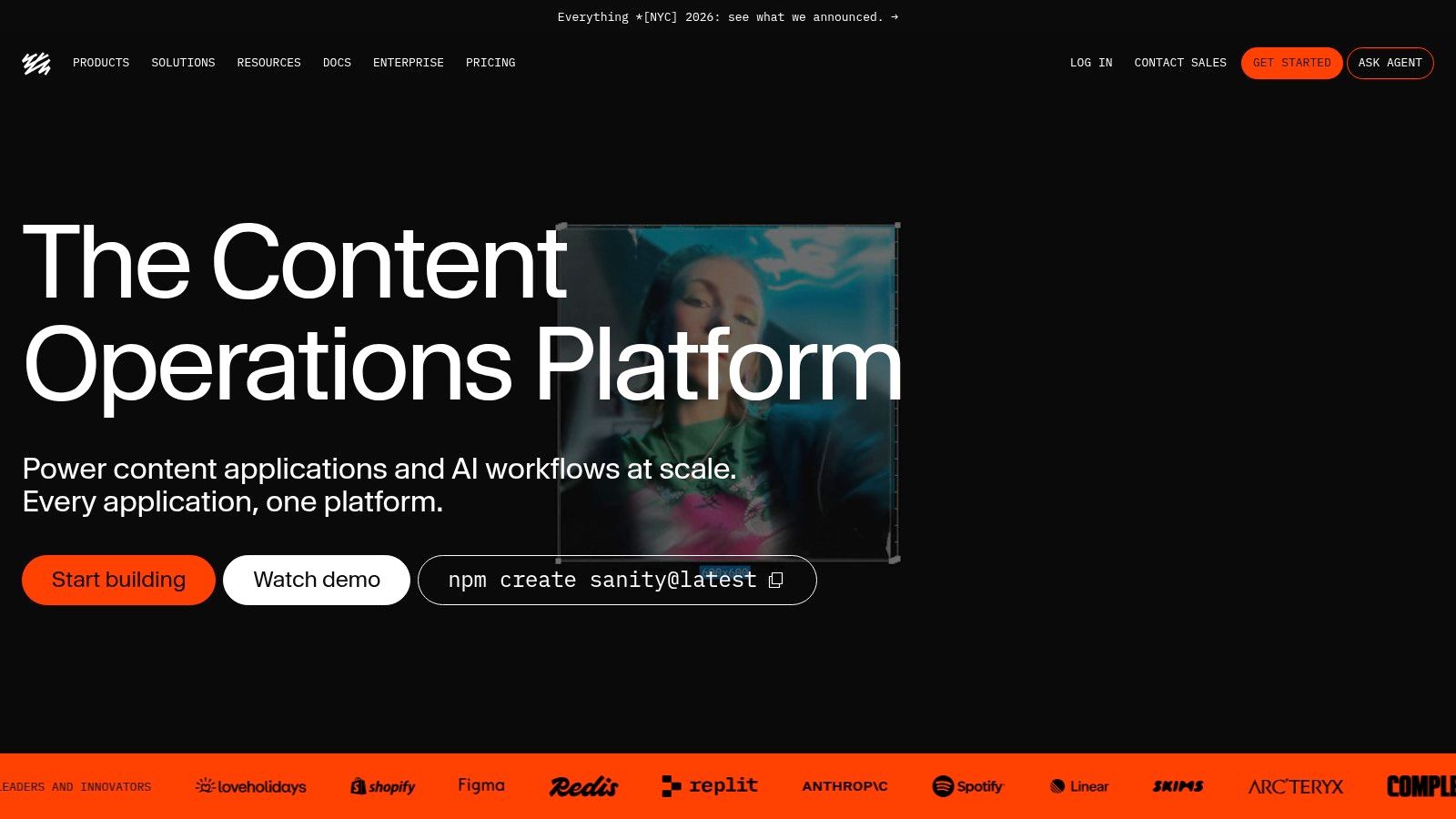
Sanity is the headless winner for developer-supported teams that want to shape the content model and editorial environment. Sanity provides structured content, APIs and a customizable Studio, while developers build or connect the presentation layer separately.
The benefit becomes meaningful when the same information must support a website, application and other delivery channels. Editors can manage reusable content rather than maintain unrelated copies embedded in different page layouts.
The frontend isn't included merely because the content platform is hosted. Preview, routing, search, analytics and deployment still need implementation decisions.
Headless is a delivery architecture, not a shortcut around building and operating a website.
AI increases the value of structure
Lullabot's review of content-management changes in 2025 identifies AI uses including metadata generation, content audits, accessibility checks and search. Those possibilities support evaluating governance rather than choosing a CMS because it advertises an assistant.
A Sanity pilot should therefore include required fields, reusable references and an approval path for generated content. Editors should be able to distinguish an approved factual statement from an unreviewed suggestion.
Cost exposure includes frontend development, Studio customization, integrations and usage-related plan requirements. A free entry point can support evaluation, but it doesn't establish the cost of a production content operation.
Sanity loses its advantage when a team only needs conventional pages and has no sustained developer capacity. In that situation, a hosted builder or traditional CMS can be the more defensible choice.
9. Strapi
Strapi is the headless alternative when deployment control matters more than a fully managed CMS service. Strapi lets developers define content types and expose content through APIs for websites, applications and internal tools.
Its self-hosted Community edition provides an open-source starting point. Teams can also consider paid CMS capabilities and Strapi Cloud, but software licensing and cloud hosting are separate purchasing questions.
That distinction affects comparisons with managed headless platforms. A team should compare equivalent editorial permissions, workflow features, infrastructure and maintenance responsibilities rather than compare only entry-level labels.
Control transfers work to the technical team
Self-hosting permits infrastructure choice, but developers must own deployment, database operations, upgrades, backups and incident recovery. The frontend also remains a separate implementation.
- Choose Strapi for: API-driven projects with a clear requirement for deployment or infrastructure control.
- Avoid a mismatch: A small editorial team without dependable technical support may struggle to maintain the complete system.
- Budget separately: CMS features, hosting, frontend development, monitoring and maintenance.
DBotMaker's comparison of app hosting platforms can support the infrastructure shortlist. The hosting decision should account for database persistence, deployment rollback and backup restoration, not just whether the application starts successfully.
A useful pilot includes a content-model change after initial deployment. The team should observe how that change affects existing entries, API consumers and production releases before committing.
Strapi is compelling when control answers a documented requirement. Self-hosting because it appears cheaper can leave essential operational work unbudgeted.
10. Contentful
Contentful is the managed headless option for organizations prioritizing structured delivery and editorial collaboration without operating the CMS infrastructure. Contentful supplies content through APIs rather than a conventional website theme.
It deserves consideration when different teams or applications need to consume a shared content model. The practical question is whether its available collaboration, localization and governance features match the organization's publishing process at an affordable tier.
A separate frontend or connected application remains necessary. Managed CMS infrastructure doesn't include every component needed to render, search, measure and maintain the public website.
Evaluate the production tier, not the demonstration
Contentful's free entry point should be treated as an evaluation route rather than assumed to cover a commercial deployment. Current commercial-use terms, workflow entitlements and usage limits need confirmation before procurement.
- Main strength: Managed content infrastructure paired with API-based delivery.
- Main trade-off: Collaboration and governance requirements can influence the required paid tier.
- Full cost: Platform subscription, frontend development, integrations, migration and ongoing application maintenance.
An editorial pilot should include localization, review comments, scheduled publication and an urgent correction. The appropriate tier is the one that supports those actual tasks, not the one that stores the demonstration content.
Contentful isn't the automatic enterprise winner merely because it is managed. Sanity may better suit teams seeking a highly customized editorial environment, while Strapi may fit infrastructure-control requirements.
The defensible choice depends on which responsibilities the organization wants the vendor to operate and which it can reliably maintain itself.
The 10 content management systems compared
The clearest split in the table is the hosting model. Self-hosted systems put maintenance and security on the owner, while hosted platforms bundle that work into the subscription.
| System | Best for | Hosting model | Free plan or trial | Key trade-off |
|---|---|---|---|---|
| WordPress.org | Flexible blogs, business sites and publications | Self-hosted; hosting arranged separately | Free open-source software; hosting costs extra | Broad flexibility, but owners manage maintenance and security |
| Ghost | Independent publications, newsletters and memberships | Self-hosted or managed Ghost(Pro) | Open-source software available; managed hosting is paid | Strong publishing tools, but less suited to general sites or complex ecommerce |
| Shopify | Online stores and multichannel commerce | Hosted platform with built-in hosting and SSL | Trial offered; current terms on the seller's pricing page | Commerce tools are integrated, but fees and apps can raise costs |
| Webflow | Design-led marketing sites and portfolios | Hosted platform | Free Starter plan for experimentation | Visual control comes with a learning curve and paid custom-domain publishing |
| Wix | Small businesses seeking an all-in-one site builder | Hosted platform | Free plan available with Wix branding and address | Easy to launch, but offers less infrastructure and code control |
| Squarespace | Portfolios and visually led small businesses | Hosted platform | Free trial offered; no ongoing free plan | Polished templates and bundled tools, but limited technical flexibility |
| Drupal | Complex, structured and multilingual digital experiences | Self-hosted; hosting arranged separately | Free open-source software | Highly configurable, but implementation and upkeep need technical resources |
| Sanity | Developer-supported teams delivering structured content across channels | Hosted headless platform | Free tier available | Flexible content delivery, but requires a separately built frontend |
| Strapi | Developers building API-driven websites, apps or tools | Self-hosted or Strapi Cloud | Free self-hosted Community edition | Deployment control and flexibility require frontend development and maintenance |
| Contentful | Teams managing structured content for API-driven experiences | Managed headless platform | Free tier for evaluation; commercial terms vary by plan | Managed infrastructure and collaboration tools, but a separate frontend is needed |
Read the free-plan column as evaluation access rather than a permanent no-cost tier: only a few rows carry an ongoing free plan, and the three headless systems all assume a separately built frontend regardless of which entry tier applies.
How to Make Your Call and What It Will Really Cost
Match the CMS to the site's primary job before comparing subscriptions. WordPress.org is the publishing default, Ghost fits publication-led memberships, Shopify fits commerce, Webflow fits design-led marketing and Wix fits straightforward small-business operations. Sanity is the headless starting point, with Strapi and Contentful offering different balances of infrastructure control and managed operation.
The shortlist should contain clearly different options. Comparing WordPress with Ghost can clarify whether flexibility or publishing focus matters more; comparing Sanity with Strapi can clarify whether managed content infrastructure or deployment ownership is the priority.
Run a representative publishing pilot
The team should trial the leading candidates using a real page, actual media and the intended approval process. Include a correction, a failed validation, a mobile preview and a content export, because a successful first publication doesn't establish maintainability.
Performance should be measured on the implementation rather than inferred from the CMS name. Google Search Central's Core Web Vitals guidance defines good performance as Largest Contentful Paint of 2.5 seconds or less, Interaction to Next Paint of 200 milliseconds or less and Cumulative Layout Shift of 0.1 or less.
Those thresholds apply to user experience, not platform marketing. Themes, images, JavaScript, hosting and third-party tools can change the result.
Build the ownership budget
The purchasing team should separate initial delivery from recurring operation and future change.
- Initial delivery: Content modeling, design, migration, integrations, accessibility work and editorial training.
- Recurring operation: Subscriptions, hosting, domains, extensions, monitoring, backups and technical support.
- Growth and change: Additional editors, localization, API usage, new channels and workflow requirements.
- Exit costs: Content export, media transfer, redirect mapping and rebuilding platform-specific functionality.
Every quoted price should identify the seller, billing basis, relevant plan and date checked. No exact subscription figure belongs in the business case until that evidence exists, and a free software license shouldn't be mistaken for a cost-free website.
The final decision should also name an owner for updates, accessibility, privacy and incident response. A CMS that fits the feature requirements but lacks an operating owner is an incomplete purchase.
For a second opinion, consult DBotMaker's published scoring method and its 305 scored products, then compare the shortlisted systems against a real publishing workflow. Report incorrect details or price and plan changes to editorial@dbotmaker.io, including the seller's page, the affected plan and the date observed.
Spotted an error in this guide? Email editorial@dbotmaker.io